

My current Green Tree Python population in words and pictures
This homepage was neglected for many months.
The same goes for the newsletter.
But what do I want to report if nothing changes that would have been worth reporting?
I can publish pictures until I'm blue in the face and write about how great the animals are doing.
But it doesn't make sense from my point of view.
I could report on sick animals in my stock - but I haven't.
However, there are researched, controversial topics that I would like to deal with this year - at least that's what I have planned.
But now it's time to update the presentation of my animals in words and pictures - also with regard to their genealogy.
Cassiopea *25.12.2018 female
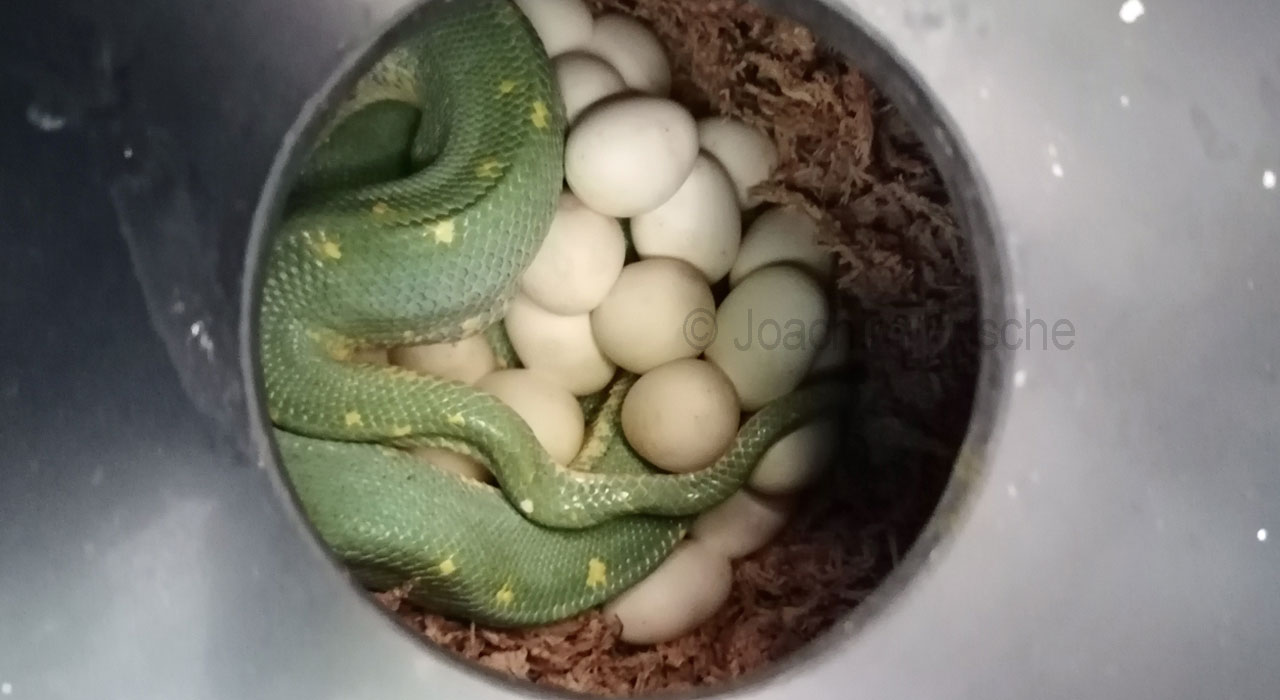
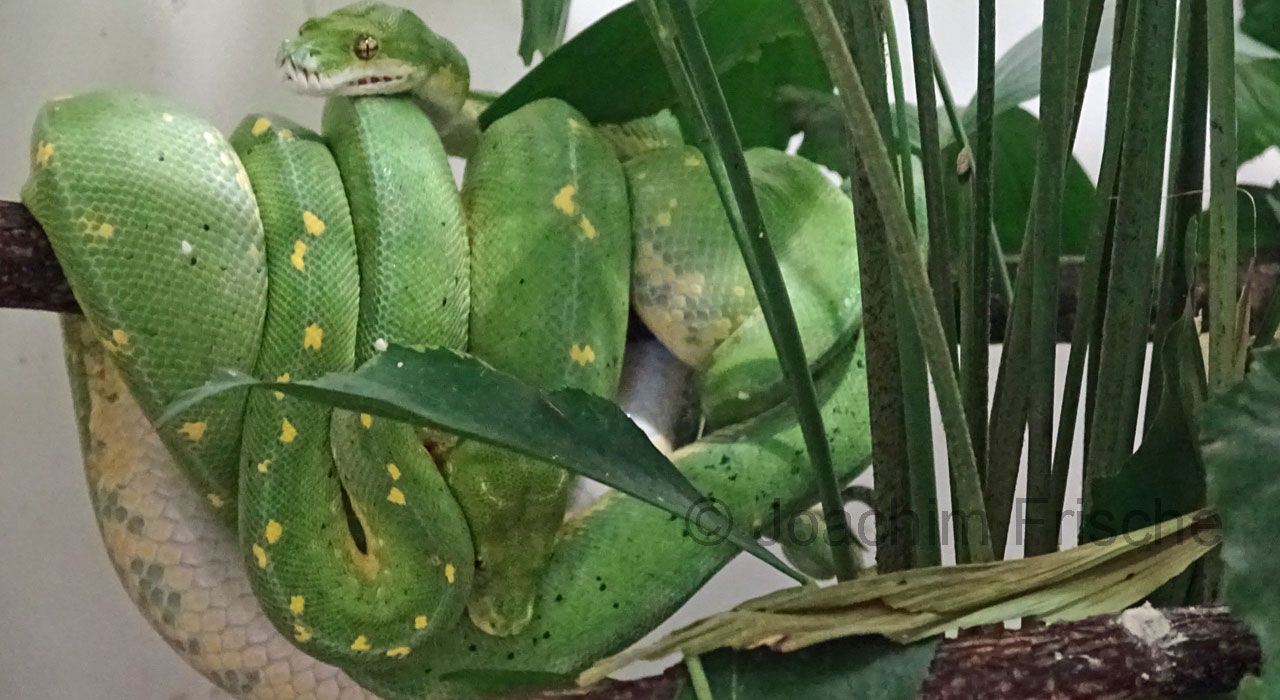
I would like to start with Cassiopea, which escaped from a clutch of 24 eggs on 25 December 2018. Cassiopea is female and comes from my mating between Americano and Green Beauty.
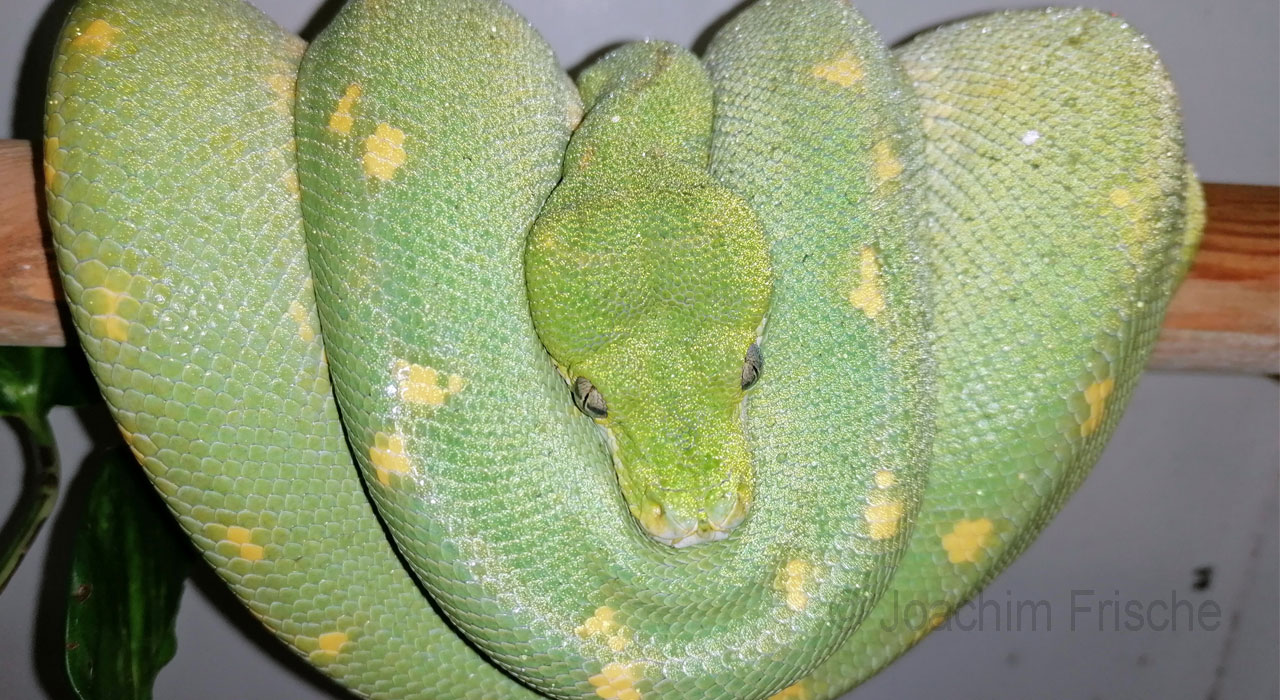
I classify all my animals as "designer chondros".
This means that it is hardly possible to clearly assign a type.
I have now been able to create a pedigree of most of my fosterlings that can be traced back to the 1970s.
Where does this knowledge come from?
Zoological gardens, then as now, keep stock and breeding books.
Keepers and breeders such as Trooper Walsh or the unforgettable Rico Walder kept meticulous records of their activities.
The challenge is to find these documents and put them together correctly. This takes time, perseverance and nerves of steel.
Why did the designers originate in the USA?
It was the Smithsonian National Zoological Park in Washington D.C., the Fort Worth Zoo and the Sedgwick County Zoo that first bred chondros in human care.
The most famous name from this period is Trooper Walsh, who worked at the National Zoological Park.
But Al Zulich and Karl Switak should also be mentioned here. Tim Morris was one of the pioneers of the blue animals and there are other breeders whose names have made history.
These include, of course, Rico Walder and Andrew Aman, both of whom sadly passed away far too soon.
Topic pedigree
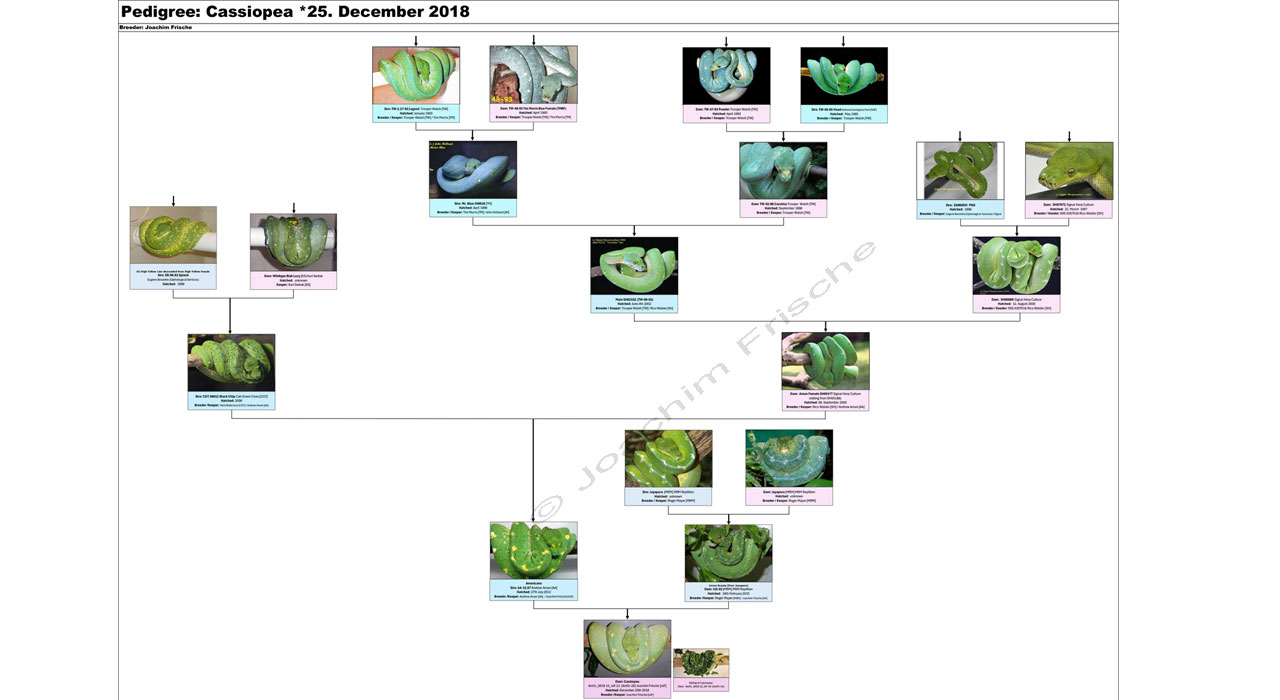
The Aman female is a sister of the Rico Walder male with the famous but not very euphonious name SH05188.
Note Splash the father of Black Chip.
He comes from a line in which OSHY animals were mated.
The mother Green Beauty is considered a pure form of the Jayapura type.
If you do a little research, you will quickly learn that the term "pedigree" is misleading in this context; I have also learnt this.
A family tree starts with the ancestors and ends with the current living representatives.
This form of representation shows the silhouette of a deciduous tree in its entirety.
The pedigree, on the other hand, begins with the first known representatives of a genealogy and ends with the currently living representatives.
Pedigree certificates are preferably used for dogs, cats or horses.
It may come as a surprise that pedigrees also exist for the green tree python (Morelia spp.), but they are an essential part of designer breeding.
I will report on this in a separate article when the topic of colour breeding is discussed.
Three matings - three clutches
In the meantime, Cassiopea has been mated three times and has sired adorable kittens with Raptor and Iron Man.
The mating with Iron Man recently took place for the second time because this combination has produced some extraordinary colours.
The following picture documentation gives an overview.
Cassiopea
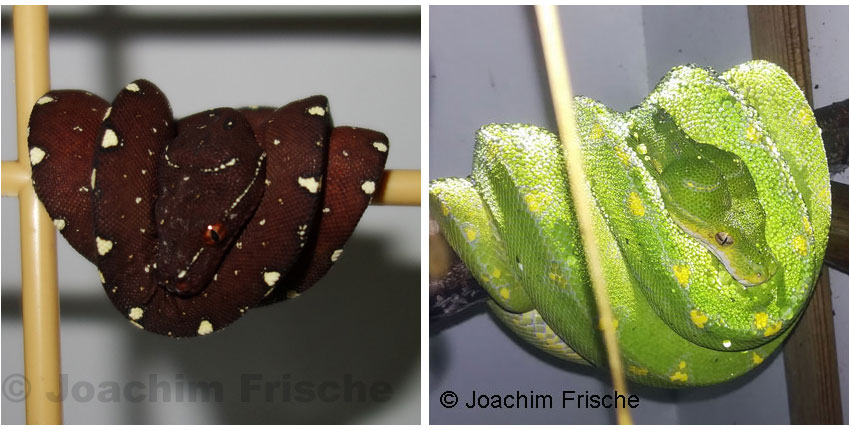
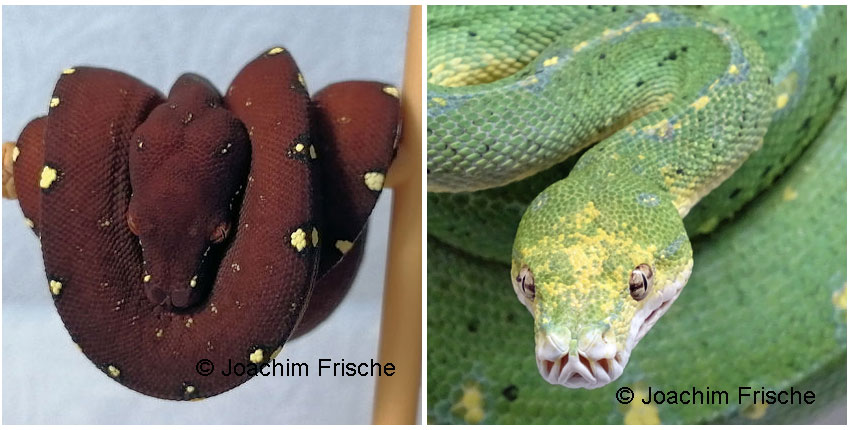
Cassiopea, has left her egg as a red neonate weighing 10 g.
The first mating in autumn 2021
Cassiopea was mated with her brother Raptor for the first time in autumn 2021.
Here is some more information:
- Started in October 2021
- 17 eggs were laid on 23 March 2022
- Hatching of 11 neonates occurred between 12 / 13 May 2022
- Incubation period: 50 days
- Hatching rate: 70% Colour: ~ 80% of neonates were red
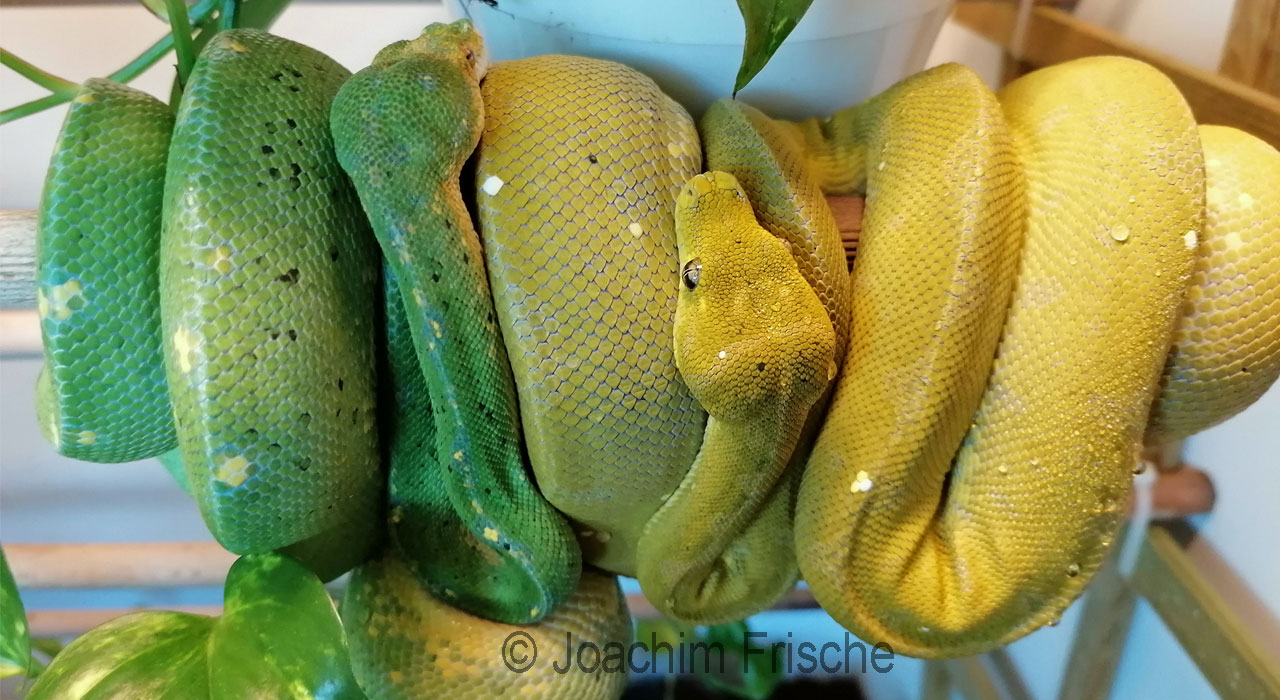
The surprise was that both yellow and red neonates left the eggs.
While one of the yellow neonates turned green, the yellow holdbacks developed a yellowish/green olive body colour.
The red neonates, on the other hand, often resembled the colour of their mother with the typical yellow spots.
Here are some pictures for illustration: RaCa_2022-05
What did the neonates look like in their juvenile dress?
Freckle (Female)
Pumpkin (Male)
Pfleger: Marco di Giacomo
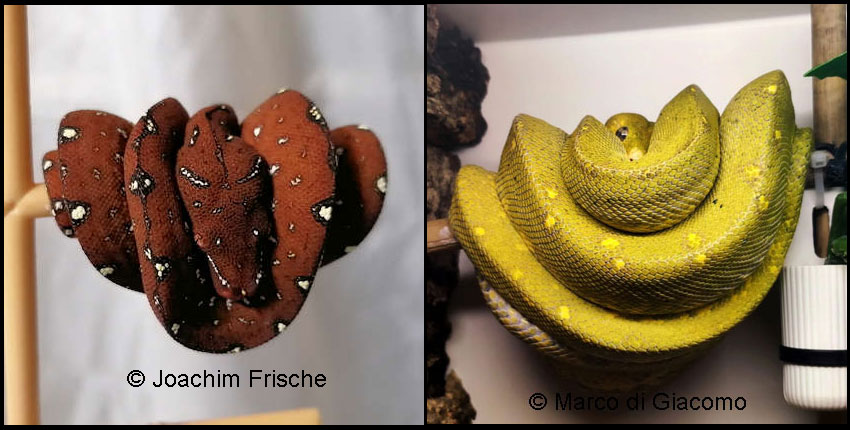
Sunflower (Female)
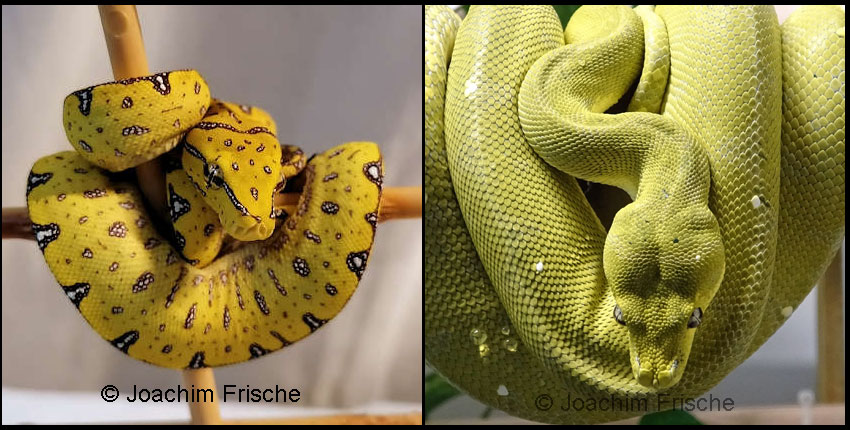
As already mentioned, this mating was astonishing in that some of the clutch released yellow neonates.
This is astonishing because both Raptor and Cassiopea were born as red neonates and both parents were also coloured red as young.
However, if you take a look at the ancestor gallery, it shows that some ancestors were coloured yellow as neonates.
The interesting question was whether Cassiopea carries the allele of the "yellow neonates" or Raptor.
The following mating was therefore carried out a year later.
Offspring of the mating 2023 Iron Man x Cassiopea Cassiopea had survived egg laying in 2022 very well and only lost a moderate amount of weight due to artificial incubation.
I therefore decided to mate Cassiopea again a year later, knowing that a two-year break would have to be planned afterwards so as not to "burn out" the dam.
Despite all the joy of neonates, the health of the parents is the most important goal.
I always give the males a long break too; why not?
Parents in top condition ensure good quality clutches.
It is the parent animals that are the gems in my stock and should therefore be treated with the greatest appreciation.
The second mating in spring 2023 It should be added that Cassiopea and Iron Man are half-siblings
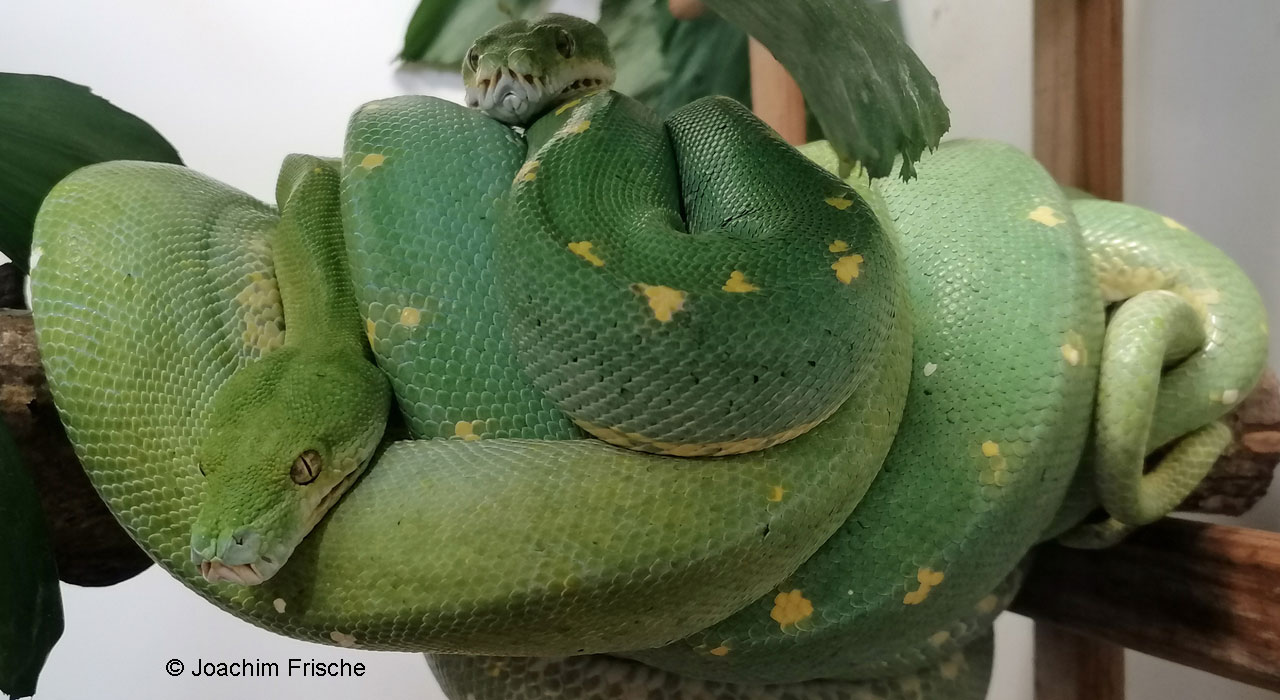
Here is some more information:
- Started in October 2022
- 21 eggs were laid on 28 May 2023
- 19 neonates hatched between 19 / 21 July 2023
- Incubation period: 53 days
- Hatching rate: 78 % Colour: ~ 75% of the neonates were red.
Now an overview of some of the animals from this clutch, all of which are now growing and thriving in the care of a new keeper.
IrCa_2023-07
Keeper: Fabian Alliger
IrCa_2023-07_JoF-02 (Female)
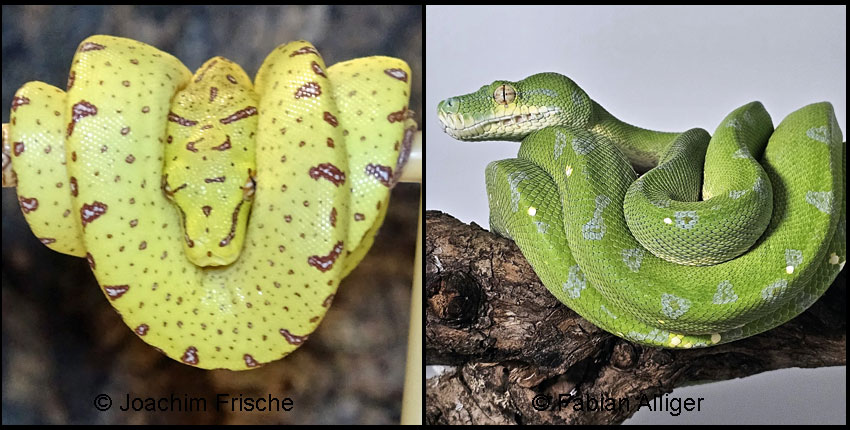
Keeper: Alexandra Tront
Cleopatra
IrCa_2023-07_JoF-03 (Female)
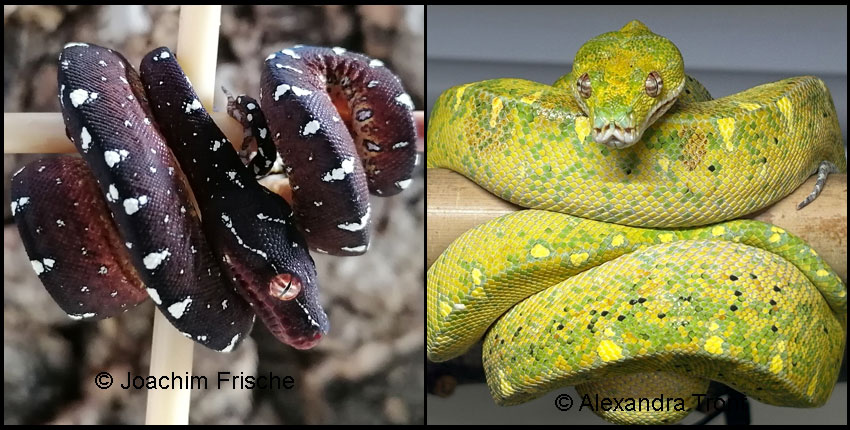
Keeper: Alessio de Liddo „Snake Garage“
IrCa_2023-05_JoF-05
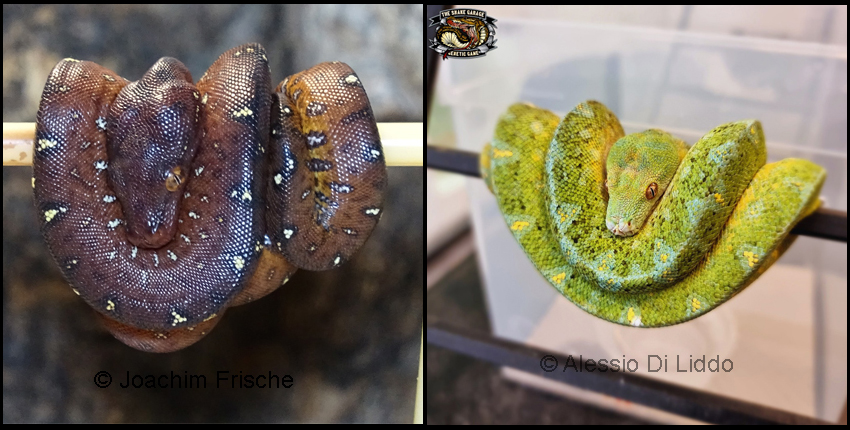
Keeper: Alessio de Liddo „Snake Garage“
IrCa_2023-05_JoF-06
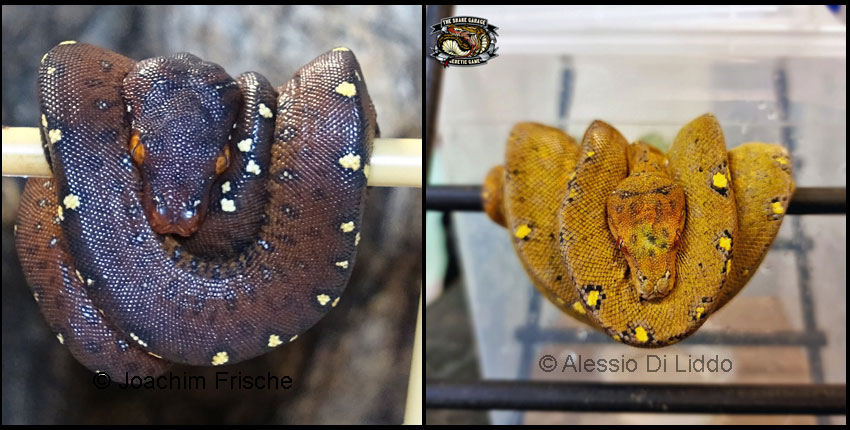
Keeper: Oli Olivan
IrCa_2023-07_JoF-07
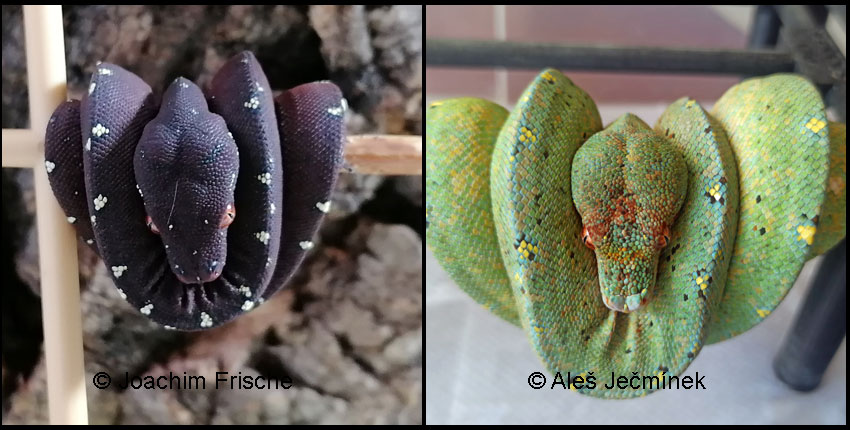
Keeper: Jan Neuhaus
IrCa_2023-07_JoF-08 (Female)
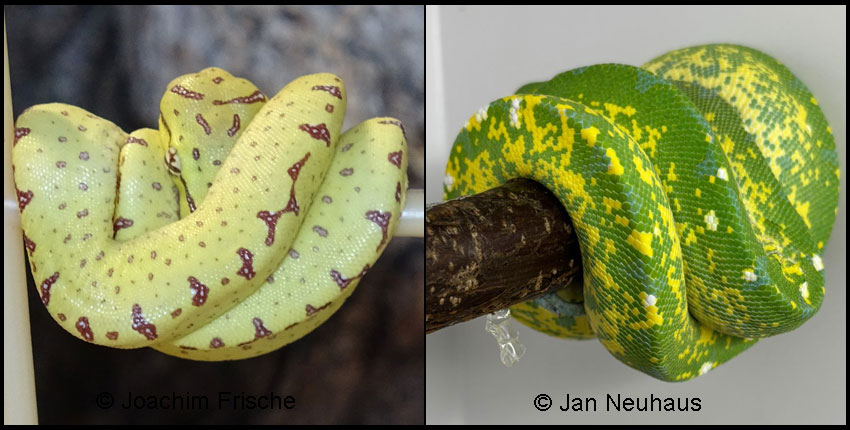
Keeper: Eric Hannemann
Mika
IrCa_2023-07_JoF-09 (Male)
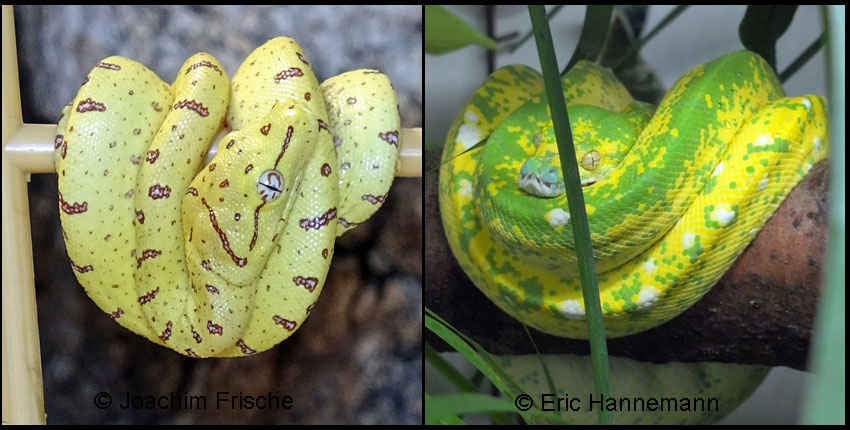
Keeper: Stefan Laudenbach
IrCa_2023-07_JoF-11 (Female)
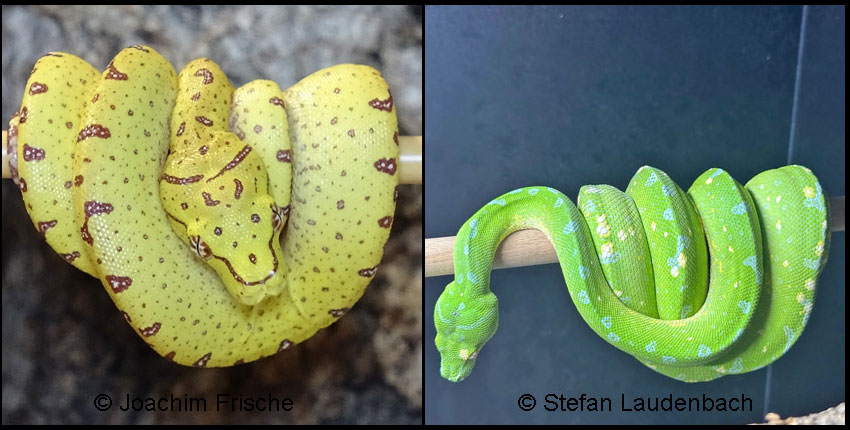
Keeper: Oli Olivan
IrCa_2023-07_JoF-12
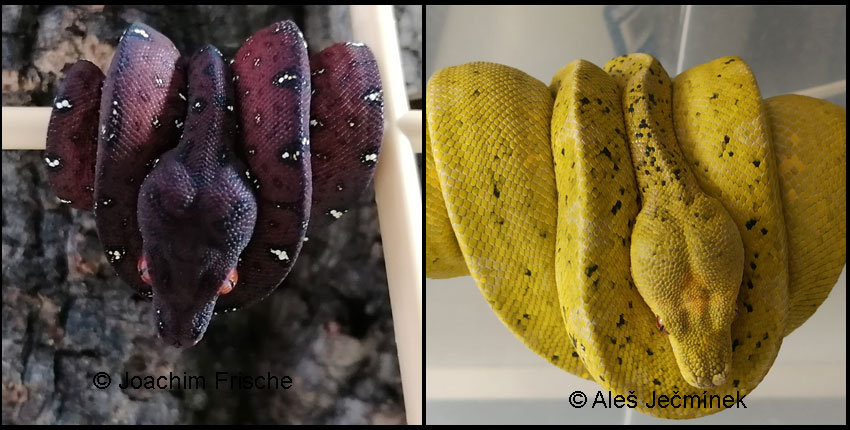
Keeper: Stefan Laudenbach
IrCa_2023-07_JoF-13 (Female)
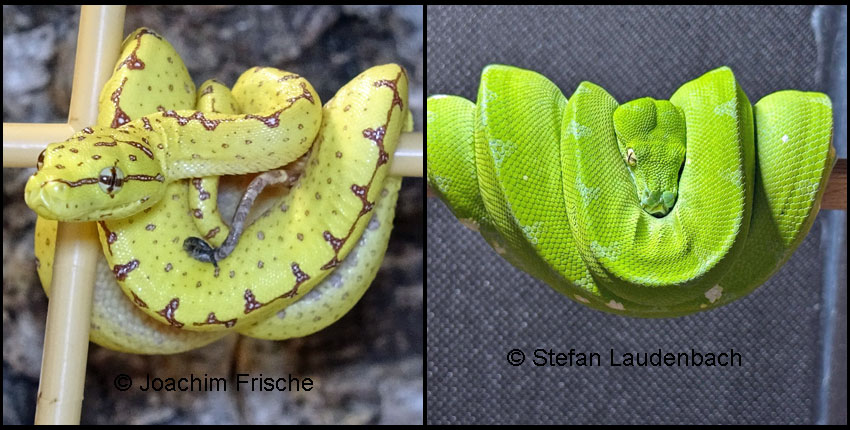
These pictures of the first mating of Iron Man x Cassiopea were incentive enough to repeat this romance.
The question is which colour compositions will be developed this time.
Offspring of the mating 2025 Iron Man x Cassiopea
The third mating in autumn 2024
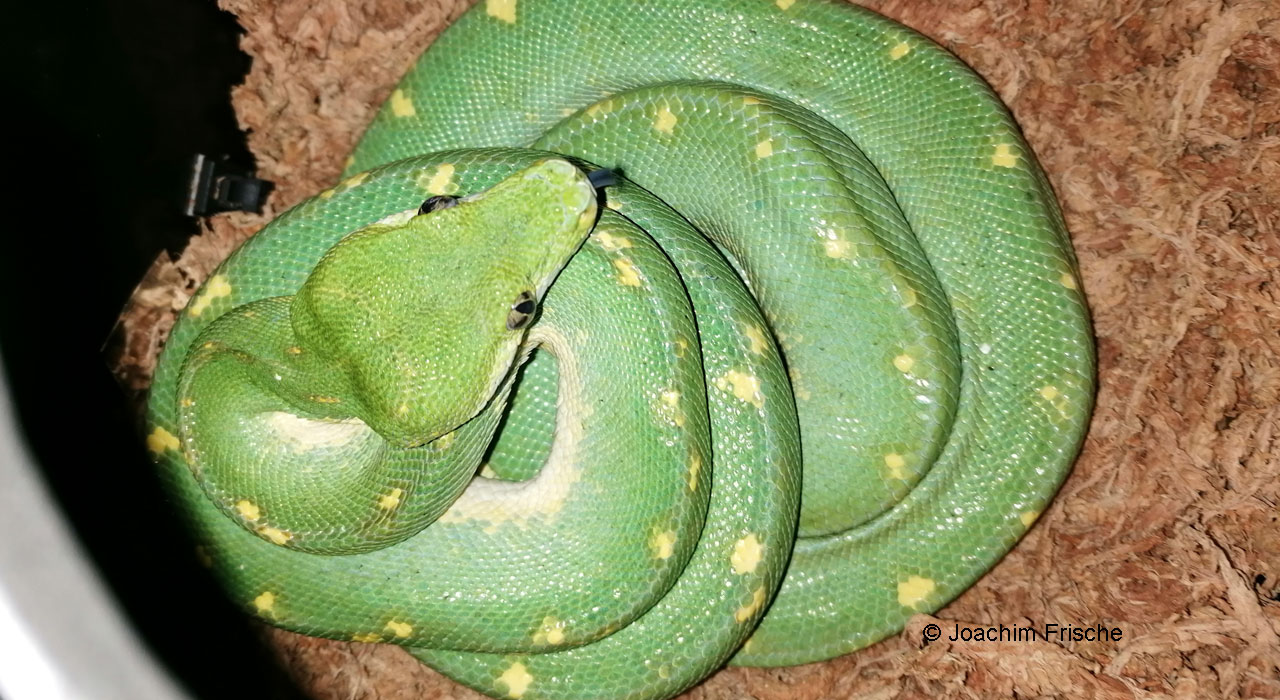
Here is some more information:
- Started in October 2024
- 24 eggs were laid on 03 March 2025
- Hatching of 12 neonates took place between 26 / 28 April 2025
- Incubation period: 55 days
- Hatching rate: 50% Colour: ~ 70% of the neonates were red
And finally an overview of 4 of the neonates from this clutch:
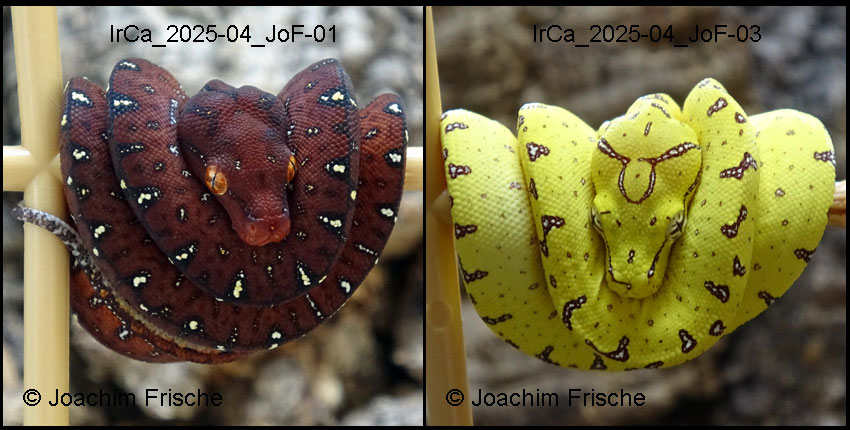
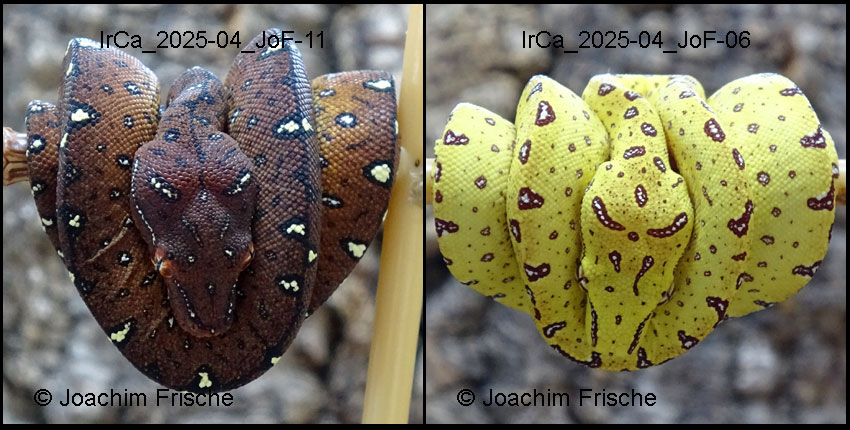
The neonates, who are in excellent health, have just eaten their third meal.
It will be a while before some of these neonates are released.
As always, they will have to be sexed, have their faeces examined and undergo a quarantine check and a veterinary examination for motor skills and external abnormalities before they are released.
Looking at the variety of colours of these green tree pythons at the end of this article confirms my passion for designer chondros.
This series continues with Iron Man - the father of the IrCa animals.
I would like to end this article with a big thank you to all those who have made their pictures available to me for publication.
If you have any questions or require further information, please contact us: