

Ferlaviruses (Paramyxoviridae)
Ferlaviruses (Paramyxoviridae)
The group of paramyxoviruses belong to those viruses that are pathogenic for reptiles, with a few exceptions.
The paramyxoviruses found in reptiles belong to the genus Ferlavirus.
These pathogens play the most clinically relevant role in snakes, where the disease often takes an epidemic-like but ultimately fatal course.
Little is known about how ferlaviruses are transmitted.
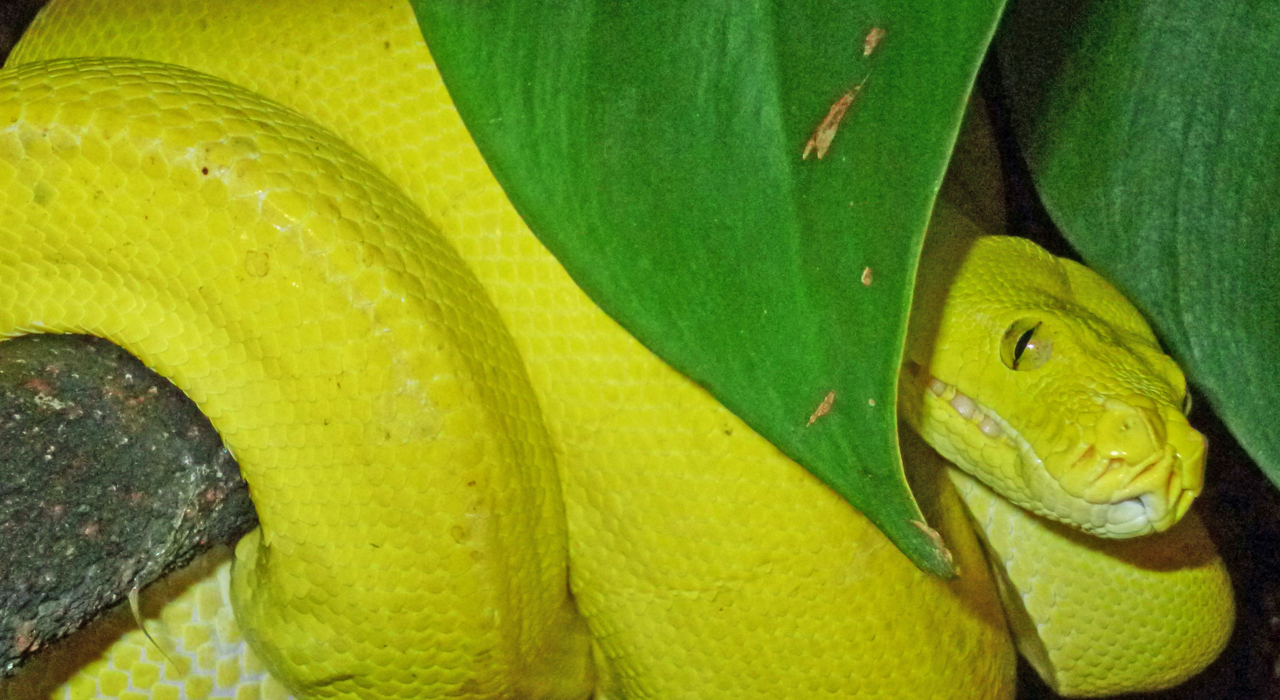
However, transmission via the air and the mouth, and here through the tongue, is suspected, as the virus is excreted via secretions and feces.
To rule out the transmission of any virus that may be present, new acquisitions in snake stocks should therefore be placed in a separate room during the quarantine period.
Reptile paramyxoviruses show a wide host range at 30 °C or 28 °C, but no longer multiply at temperatures above 37 °C.
Depending on the virus strain and the species affected, symptoms can range from sudden death to delayed progression with respiratory and central nervous symptoms.
Initially, bloating in the throat area is often observed. The snakes are apathetic, show increased mucus production in the mouth and increasingly difficult breathing.
An unusual, elongated posture as well as coordination and orientation difficulties are also observed.
Sometimes bloody mucus is also found in the mouth or in the terrarium.
Secondary bacterial or mycotic infections, especially of the lungs, are also common.
Diagnosis is possible after dissection of an animal in the acute stage or examination of a vengeful swab. Detection is by PCR.
Antiviral treatment has not yet been described.
Literature:
Blahak, S. Virale Infektionen bei Reptilien:
https://www.dvg.net/avid/23tag/Tagungsbericht/blahak.pdf
Marschang RE. Viruserkrankungen der Reptilien in der tierärztlichen Praxis. Tierarztl. Prax. Ausg. K Kleintiere Heimtiere 2020; 48: 119–131. 119.
https://www.thieme-connect.com/products/ejournals/pdf/10.1055/a-1122-7805.pdf
Neul A. Viruserkrankungen bei Schlangen – Welche Erreger sind von Bedeutung? Kleintier konkret. 2018 Mar;21(Suppl 1):35–40. German. doi: 10.1055/s-0044-100293. Epub 2018 Apr 9. PMCID: PMC7147926.